New DUI and Police Transparency Laws in California
DUI Ignition Interlock Devices
Several years ago California began a pilot program applicable in only 4 counties (of which San Diego was not one) mandating that an ignition interlock device (IID) be installed in a vehicle whenever the driver was convicted of a DUI. An IID requires that the driver pass a breathalyzer test each time the vehicle is started and includes random tests while the car is in motion.
Effective January 1, 2019, SB 1046 requires an IID for all multiple DUI offenders statewide, and even first-time DUI offenders where there was an accident involving an injury. Such cases now mandate an IID be installed, at the cost of the defendant, in every car they own or operate. Even where no injury occurs, a judge maintains the discretion to order an IID for AT LEAST 6 months.
Note: the law applies to alcohol and the combined use of alcohol and drugs; it is not applicable in drug-only cases.
Police Transparency in Use-of-Force Cases
Another 2019 enacted California law prohibits law enforcement from denying the public access to certain police information. One of these, SB 1421 , allows public access to police records in use-of-force cases and to investigations confirming work-related police sexual misconduct or dishonesty. Yet another law requires police body camera footage be released within 45 days of a police shooting causing death or serious bodily harm.
Author Bio
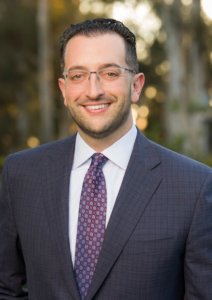
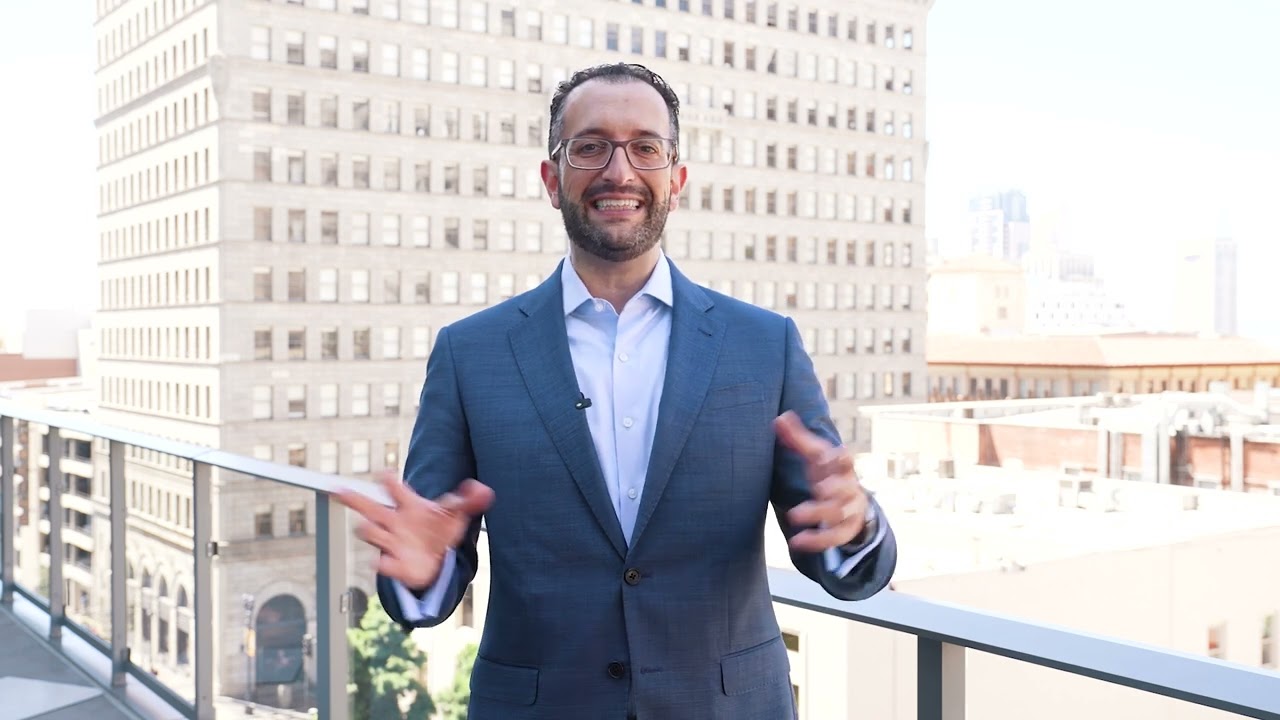
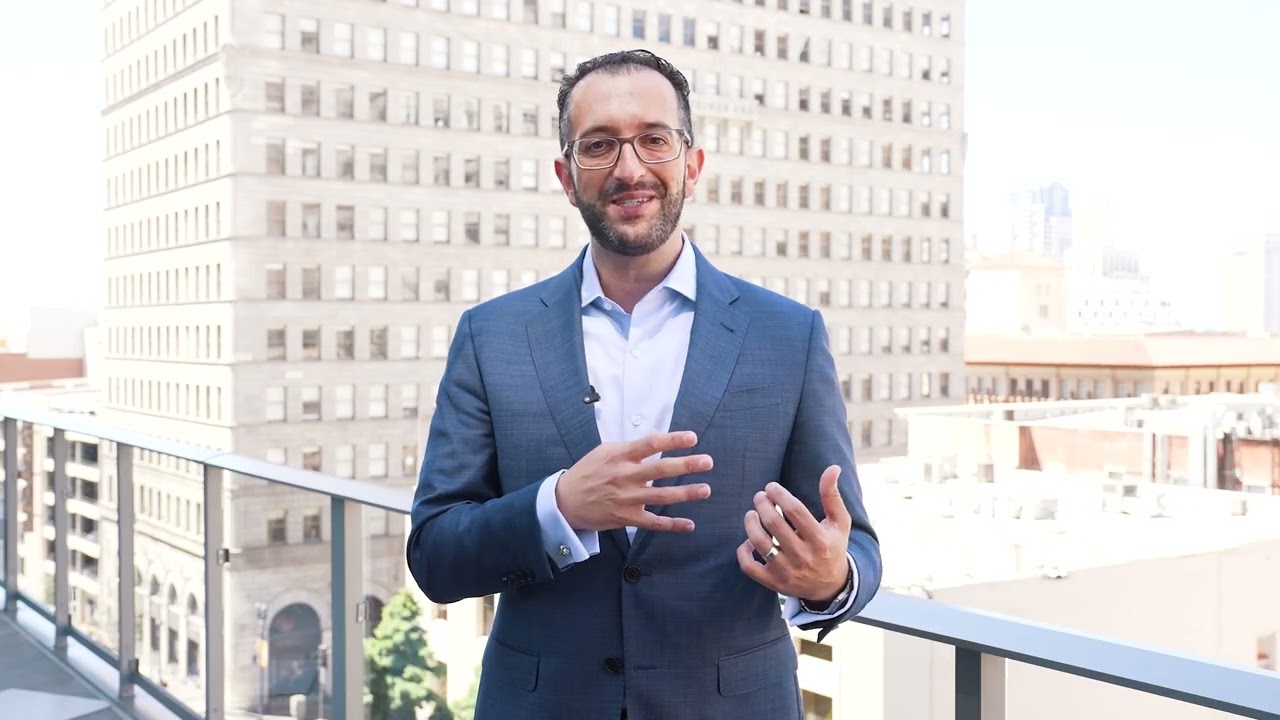
David P. Shapiro, the managing partner and founder of a leading San Diego criminal defense firm, is driven by an unwavering commitment to providing the best possible representation to his clients facing criminal charges. With a deep understanding of the fear, uncertainty, and concern for one’s future that his clients experience, David approaches each case with empathy and dedication, advocating tirelessly for their rights and freedoms.
Focused on complex and high-stakes cases, David handles a wide range of serious charges, including felonies, violent crimes, sex crimes, drug offenses, and white-collar crimes. Since establishing his practice in 2010, David has earned a reputation as one of San Diego’s most respected criminal defense attorneys.
His firm has been recognized by LawFirm500 as one of the nation’s fastest-growing law firms and was a 2022 Better Business Bureau Torch Award for Ethics Winner. The San Diego Business Journal named David’s firm the 17th Fastest Growing Private Company in San Diego from 2019-2021 and recognized David as one of San Diego’s 500 Most Influential People in 2022. With a strong dedication to his clients and community, David continues to be a driving force in the San Diego legal landscape.
Recent Posts

PRACTICE AREAS



Facing Criminal Charges in San Diego?
Here’s what you need to know to regain control of your future


